Three Essential Small Business Insurance Commercial Policies to Protect Your Enterprise

Welcome to the world of small business insurance, where protecting your enterprise is not just a necessity, but a strategic move for long-term success. Imagine your business as a fortress, and insurance as the shield that guards it against unforeseen calamities. From natural disasters to legal disputes, the right small business insurance policies can ensure that your business stands strong, even when the unexpected strikes.
In this comprehensive guide, we’ll delve into the captivating realm of small business insurance. Whether you’re just starting or looking to optimize your current coverage, understanding the nuances of different insurance policies is vital. With insights tailored to meet your needs, this guide will empower you to make informed decisions, ensuring your business is not only protected but also poised for growth.
Understanding Small Business Insurance
Did you know that 40% of small businesses never reopen after a disaster? That’s where small business insurance steps in.
Small business insurance is a safety net that protects your business from unforeseen events. It’s crucial for safeguarding your livelihood against risks like property damage, liability claims, and income loss. But how do you know which policy is right for you?
Types of Small Business Insurance Policies
Small business insurance isn’t a one-size-fits-all solution. There are numerous policies tailored to specific needs. Here’s a quick rundown:
- General Liability Insurance: Covers legal costs from accidents, injuries, or claims of negligence.
- Property Insurance: Protects your business property against fire, theft, and other damages.
- Workers’ Compensation: Provides benefits to employees injured on the job.
- Professional Liability Insurance: Shields you from claims of professional negligence or errors.
Real-World Scenarios of Insurance Protection
Imagine a client slipping on a wet floor in your store. Without general liability insurance, you’re looking at hefty legal and medical bills. Or think about a data breach; cyber liability insurance can cover recovery costs.
These policies can mean the difference between weathering a storm and closing up shop.
Pro Tip: Always assess your specific risks before choosing a policy.
Because with the right coverage, you can focus on growing your business, not worrying about what-ifs.
Key Features of Commercial Insurance for Small Businesses
Did you know that 40% of small businesses are uninsured? It’s a staggering statistic considering how vital protection is for your business survival. Let’s dive into what makes commercial insurance a game-changer for small businesses.
Commercial insurance is not just a safety net; it’s your business’s best defense against unforeseen events. From natural disasters to lawsuits, the right coverage can keep you afloat when the unexpected strikes.
Understanding the Distinct Features
Commercial insurance for small businesses comes with unique features that you can’t ignore. First off, it offers comprehensive protection tailored specifically to your industry needs. Unlike generic insurance plans, these policies are designed with a focus on the potential risks your business faces every day.
Let’s break down the different types of commercial insurance you might consider.
| Type of Insurance | Coverage | Best For |
|---|---|---|
| General Liability | Third-party bodily injury and property damage | All small businesses |
| Professional Liability | Negligence, errors, and omissions | Service-based businesses |
| Business Owner’s Policy | Property and liability bundled | Small to mid-sized businesses |
The Role of Commercial Insurance in Risk Mitigation
Here’s the deal: without insurance, a single incident could spell disaster for your business. Commercial insurance acts as a risk management tool, allowing you to focus on growth rather than potential pitfalls.
Pro Tip: Always assess your specific industry risks before choosing a policy.
With the right plan, you won’t just survive; you’ll thrive. Commercial insurance provides a safety buffer that enables small business owners to navigate challenges with confidence.
Choosing the Right Insurance for Your Business
Are you prepared for the unexpected twists in your business journey? Most small business owners aren’t. That’s why having the right insurance is crucial.
Choosing the right insurance for your business isn’t just about ticking a box. It’s about securing peace of mind and safeguarding your hard work. Let’s dive into the steps to make sure you’re covered.
The Step-by-Step Guide to Choosing Business Insurance
Step #1: Assess Your Risks. Every business has unique risks. Identify potential threats like property damage, liability, or cyber risks that could impact your business. This will guide you in selecting the right coverage.
Step #2: Understand the Types of Insurance Available. From general liability to professional indemnity, knowing what’s out there is crucial. Ask yourself: What specific coverages align with my business needs?
Step #3: Compare Different Insurance Providers. A smart move here is to review at least three different providers.
Pro Tip: Don’t just look at the price. Consider their reputation, claims process, and customer service.
Checklist for Evaluating Insurance Providers
Before you sign on the dotted line, here’s what you need to consider:
- Provider’s Reputation: Do they have positive reviews and a solid track record?
- Financial Stability: Can they pay out claims when needed?
- Claims Process: Is it straightforward and hassle-free?
- Customer Service: Are they helpful and available when you need them?
- Cost vs. Coverage: Does the premium reflect the coverage value?
Assessing Coverage Limits and Exclusions
Here is the deal: not all policies are created equal. While the premium might fit your budget, the coverage limits and exclusions could catch you off guard.
When assessing limits, ensure they cover your replacement costs or potential liabilities. Exclusions are the hidden traps. Read them carefully to avoid surprises.
| Feature | What to Check |
|---|---|
| Coverage Limits | Ensure they meet or exceed your risk assessment needs. |
| Exclusions | Identify what incidents are NOT covered and if they’re critical to your business. |
Remember, the right insurance is an investment in your business’s future security. Choose wisely.
Cost Considerations for Small Business Insurance
Are you aware that 40% of small businesses overpay for insurance? Navigating the world of small business insurance costs can be tricky. BUT understanding what drives those costs is key to getting the best deal.
Here is the deal: several factors play a role in determining your insurance premiums. Your business’s industry, location, and claims history are just a few elements that insurers consider. Higher-risk industries, like construction, often face steeper insurance bills. On top of that, if your business operates in a disaster-prone area, expect to pay a bit more. But don’t panic! You can manage these costs effectively.
Methods to Reduce Insurance Costs Without Compromising Coverage
Step #1: Analyze your coverage needs. Start by assessing what coverage is essential for your business and where you might be over-insured. Adjusting your policy can lead to significant savings. Step #2: Increase your deductible. A higher deductible means lower premiums. But make sure you can afford that deductible if you need to file a claim.
Step #3: Implement risk management strategies. By improving safety measures and employee training, you can reduce the likelihood of claims, which often results in lower premiums.
Pro Tip: Bundle multiple policies with the same insurer to snag a multi-policy discount.
Common Discounts Available for Small Businesses Purchasing Insurance
Get ready to save even more with these discounts:
- Multi-policy discount
- Claims-free discount
- New customer discount
- Loyalty discount
- Safety program discount
These discounts can make a significant difference in your overall insurance costs. Remember, every dollar saved on insurance is a dollar that can be reinvested into your business growth. Keep your eyes peeled for these opportunities!
Regulatory Requirements for Business Insurance

Did you know a single lawsuit could sink your small business? Business insurance isn’t just a smart idea—it’s a legal necessity. But understanding the regulatory requirements can feel like navigating a maze.
Here’s the deal: Every small business must adhere to specific insurance regulations to operate legally. These regulations vary by state and can impact everything from liability limits to the types of coverage you need. Missing a requirement can have severe consequences, like hefty fines or even losing your business license.
State-Specific Mandates for Commercial Insurance Coverage
Not all states are created equal when it comes to insurance laws. For instance, in California, businesses must carry workers’ compensation insurance, even if they have just one employee. But in Texas, it’s optional. The variability is huge, and understanding your local mandates is crucial.
Step #1: Visit your state’s Department of Insurance website. They often have a wealth of information on minimum coverage requirements and any industry-specific mandates.
Step #2: Consult with a local insurance expert. They can provide tailored advice based on your business type and location.
Pro Tip: Always verify your understanding with a professional to avoid any compliance pitfalls.
Consequences of Non-Compliance with Insurance Regulations
Ignoring state insurance mandates is like playing with fire. You could face steep penalties, and in some cases, your business could be shut down. Financial damages from lawsuits or employee injuries can also devastate an uninsured business.
Here is the deal: The cost of compliance is a drop in the bucket compared to the potential fallout from non-compliance. Those fines and fees are just the tip of the iceberg. You also risk losing clients and damaging your reputation.
So, the next time you consider skipping a mandated insurance policy, remember: It’s not just your business at stake—it’s your livelihood.
Future Trends in Small Business Insurance
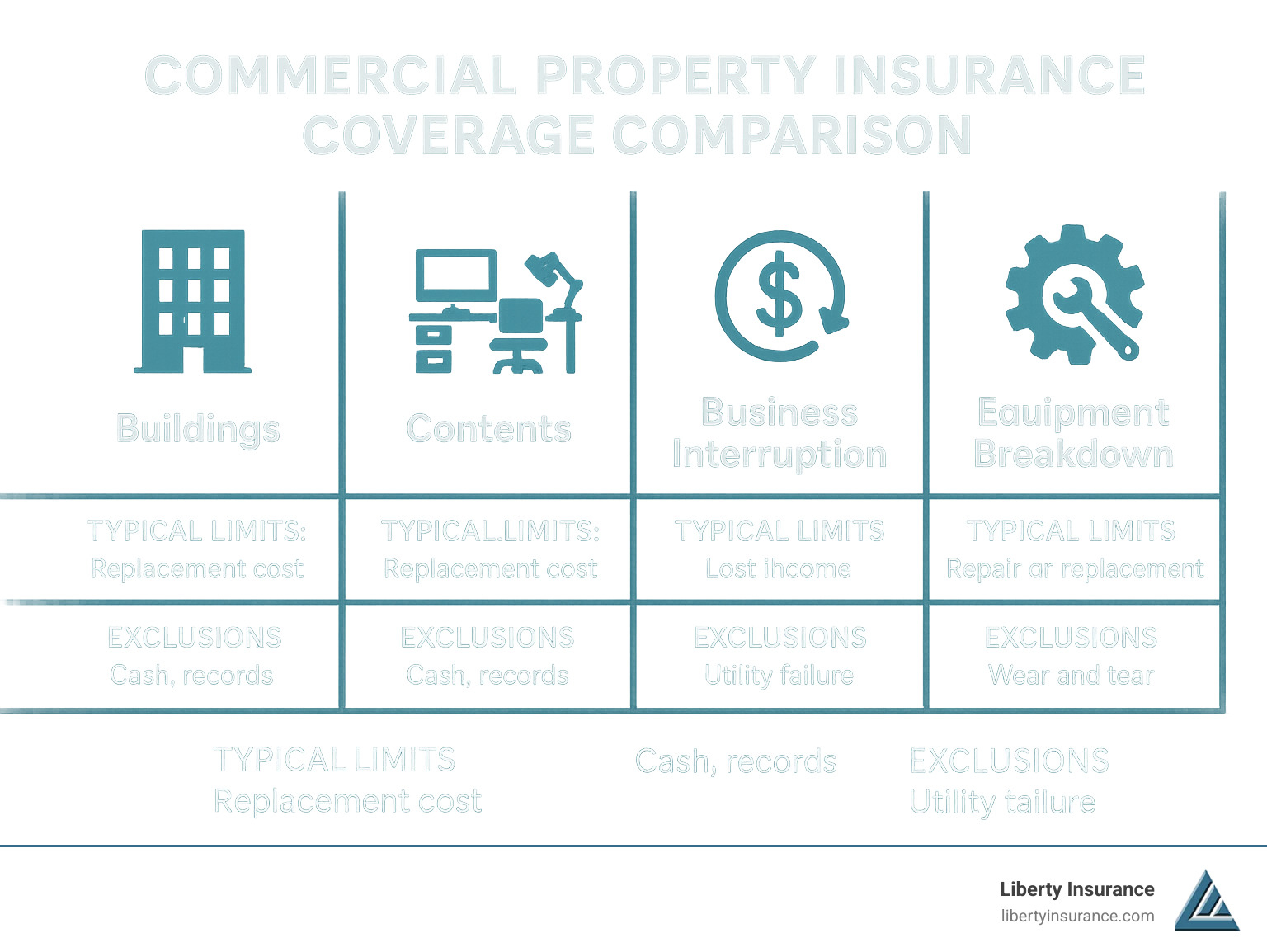
Did you know that 64% of small businesses reported being underinsured? The landscape of small business insurance is shifting rapidly, and there’s no better time to get ahead of the curve.
Technology, consumer expectations, and regulatory changes are all reshaping how insurance products are developed and distributed. This isn’t just about keeping up; it’s about positioning your business to thrive in the future.
Technology as a Catalyst in Insurance Evolution
Here’s the deal: Technology is not just influencing the insurance industry—it’s revolutionizing it. With AI and machine learning, insurers can now perform risk assessments more accurately and customize policies like never before. This means more tailored and potentially more affordable options for you.
Then we have the apps and digital platforms making it easier for small business owners to compare, purchase, and manage their insurance policies. The days of endless paperwork and phone calls are over. Now, you can handle your insurance needs with a few clicks.
Speculative Future of Small Business Insurance Policies
What does the future hold for small business insurance policies? Expect more emphasis on cybersecurity coverage as digital threats continue to rise. Policies will likely evolve to cover new risks associated with technology and remote work environments.
Imagine insurance policies that are not static but adapt in real-time, driven by data from IoT devices. This could provide the exact coverage you need, only when you need it. It’s like having a personal insurance assistant that grows with your business.
Pro Tip: Stay updated on tech trends in insurance to gain a competitive edge. Early adopters can often secure better terms and lower premiums.
Final Summary
As we wrap up this exploration of small business insurance, it’s clear that these policies are more than just a safety net—they’re a cornerstone of sustainable business growth. By choosing the right commercial insurance, you’re not only safeguarding your business assets but also paving the way for a future filled with opportunities. Stay ahead of the curve by continuously reassessing your insurance needs, and you’ll ensure that your business is ready to tackle whatever challenges come its way.
Frequently Asked Questions
What are the key types of small business insurance?
Key types include general liability, professional liability, and business owner’s policy (BOP), each offering unique protections for different aspects of your business.
How do I choose the right insurance for my small business?
Evaluate your business needs, assess potential risks, compare different policies, and consult with insurance professionals to make an informed choice.
Can technology impact my small business insurance?
Yes, technology influences policy development, allowing for more customized coverage and streamlined claims processes, enhancing your insurance experience.
Are there ways to reduce insurance costs for small businesses?
Consider bundling policies, increasing deductibles, and maintaining a good safety record to potentially lower insurance premiums.
What happens if I don’t comply with insurance regulations?
Non-compliance can lead to fines, legal penalties, and increased vulnerability to financial losses, emphasizing the importance of adhering to regulatory requirements.