Imagine this: You’re a professional in Washington State, and one day, out of the blue, you receive a legal claim for a mistake you might not even be aware of. Scary, right? This is where Errors and Omissions (E&O) Insurance steps in as your unsung hero, ready to protect you from unexpected financial pitfalls that can arise from client disputes.
In the fast-paced world of professional services, no one is immune to human error. Whether you’re a real estate agent, a consultant, or an IT professional, errors and omissions insurance is your safeguard against the unforeseen. Let’s dive into why this coverage is crucial and how you can navigate the ins and outs of obtaining it in Washington State.
Understanding Errors and Omissions Insurance
Did you know that a single mistake could cost you thousands of dollars and your reputation? That’s exactly why Errors and Omissions Insurance is essential. It acts as a safety net for professionals.
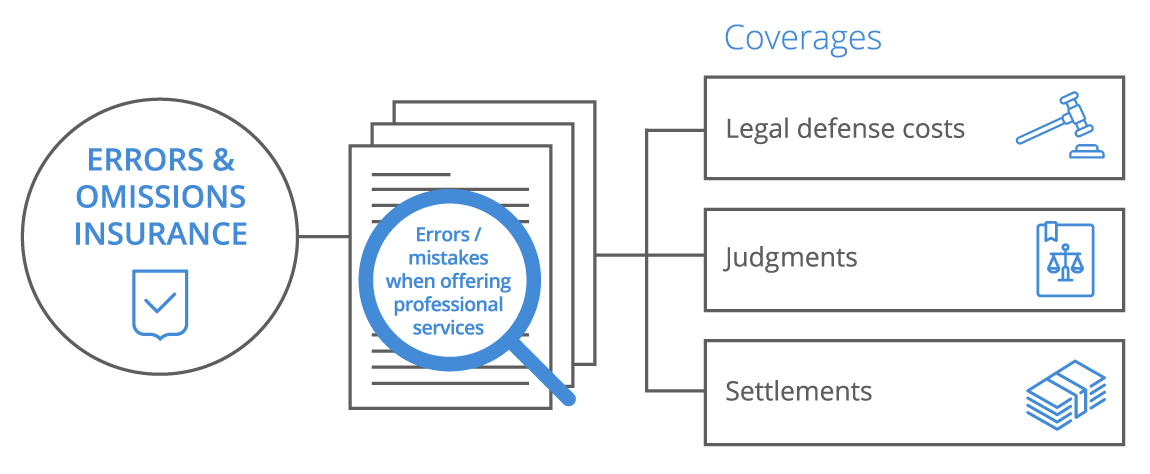
Errors and Omissions Insurance, commonly known as E&O Insurance, covers the cost of defending your business from claims of negligence, mistakes, or failure to perform. In short, it protects you when your work doesn’t go as planned.
Industries Requiring E&O Insurance
Not every industry is the same, but many professionals need E&O Insurance. Think about consultants, real estate agents, insurance brokers, and marketing professionals. Basically, anyone who provides expert advice or services. These industries rely on E&O Insurance to keep operations smooth. Without it, one wrong move could lead to a financial disaster. If you provide a service, chances are you’ll need this coverage.
Main Components and Coverage of an E&O Policy
An E&O policy isn’t just a blanket protection. It includes specific components like defense costs, settlements, and damages. Imagine a scenario where a client claims you didn’t deliver what was promised. E&O steps in to cover legal fees and any settlements. But here is the deal: policies vary, so it’s crucial to understand what yours includes. Some policies might also cover temporary staff and claims from past services.
Differences Between E&O Insurance and Other Liability Insurances
At first glance, E&O Insurance might seem like other liability insurances. But there are key differences. For example, General Liability Insurance covers physical injuries or property damage. E&O, on the other hand, covers the intangible – your professional services and advice.
| Type of Insurance | Coverage Focus |
|---|---|
| Errors and Omissions (E&O) | Professional negligence, mistakes, failure to perform |
| General Liability | Physical injuries, property damage |
Pro Tip: Always review your policy to ensure it aligns with your industry-specific risks.
Importance for Professionals in Washington State
Did you know that Washington State is home to over 600,000 licensed professionals? Many of these individuals rely heavily on errors and omissions insurance to protect their livelihoods. But which professions benefit the most from this coverage?
Here is the deal: while E&O insurance is crucial for a wide range of professions, certain sectors in Washington State face higher risks and, therefore, greater needs for this type of insurance. Understanding these needs can safeguard you from financial ruin.
Professions That Benefit Most
Licensed professionals like real estate agents, insurance brokers, and financial advisors are at the top of the list. Why? They are constantly dealing with contracts, advice, and high-stakes transactions. Even a small mistake could lead to a lawsuit, which is where E&O insurance becomes invaluable.
Legal Requirements for E&O Insurance in Washington State
But wait, there’s more. In Washington State, some professions are legally required to carry E&O insurance. For example, real estate agents must have it to maintain their licenses. This insurance not only provides a safety net but also fulfills legal obligations.
Impact of State-Specific Regulations on E&O Coverage
Washington State has specific regulations that can affect your E&O coverage. For instance, changes in state legislation can alter policy requirements or limits. Staying informed ensures you’re not caught off guard.
- Stay updated with Washington’s Department of Insurance regulations.
- Work with an insurance broker familiar with state laws.
Pro Tip: Regularly review your policy to ensure compliance with current state regulations.
Real-Life Situations Where E&O Insurance Was Critical
Picture this: A financial advisor in Seattle made a clerical error that led to a client losing thousands. Without E&O insurance, the financial advisor would face a hefty lawsuit alone. Instead, their policy covered legal fees and the settlement, saving their practice.
In another instance, an architectural firm in Spokane avoided bankruptcy after a design flaw was discovered. Their E&O insurance covered the cost of corrections and potential litigation. These examples make it clear why having the right coverage is essential.
Acquisition Process in Washington State

Did you know that errors and omissions insurance is essential for 87% of professionals in Washington State? Yet, many still find the acquisition process confusing. Let’s break it down step-by-step.
Getting errors and omissions insurance in Washington isn’t rocket science, BUT it does require some research. You need to compare policies, check coverage adequacy, and ensure your specific needs are met. Here’s the deal: it all starts with understanding the landscape of available options.
Steps to Acquire Errors and Omissions Insurance
Step #1: Research and Compare. First, gather a list of insurance providers in Washington. Look for those specializing in errors and omissions insurance. Use online reviews and ratings to narrow down your choices.
Step #2: Request Quotes. Contact the selected providers for quotes and ask about customization options. Make sure to get details on the coverage scope and any additional benefits.
Step #3: Assess Financial Stability. Don’t skip this! A stable insurer will be reliable when you need them most.
- Confirm the provider’s licenses and accreditations in Washington State.
- Check financial ratings from agencies like A.M. Best or Moody’s.
- Ensure they have a solid claims process and customer support.
Comparing Insurance Providers and Policies
Not all insurance policies are created equal. Here’s a simple comparison:
| Provider | Coverage | Premium | Special Features |
|---|---|---|---|
| Provider A | Basic to Comprehensive | $$ | Includes legal defense |
| Provider B | Standard | $ | Customizable policy limits |
Pro Tip: Always compare not just on price, but on value delivered. A cheaper policy could mean limited coverage.
Checklist of Considerations Before Purchasing
Before you sign on the dotted line, make sure to review this checklist:
- Coverage limits and any exclusions
- Policy term length and renewal conditions
- Claim filing process and timelines
- Additional endorsements or riders you might need
Evaluating Adequacy of Coverage for Professional Needs
How do you know if the coverage is enough? Start by identifying the common risks associated with your profession. Then, ensure the policy covers these risks adequately.
Have a legal advisor review your potential liabilities and suggest necessary coverage limits. It’s smarter to be proactive rather than reactive.
Remember, a policy that’s too basic may leave you exposed, while too much coverage could mean unnecessary costs. Strike the right balance, and you’ll be well protected.
Cost Factors and Pricing
Did you know that nearly 30% of professionals overpay for their Errors and Omissions insurance? The good news is, understanding the cost factors can help you save a bundle.
Let’s dive into the elements that influence your E&O insurance rates in Washington State. From the size of your business to your claims history, multiple factors can impact pricing. But here’s the kicker: some of these can be controlled to reduce costs without sacrificing coverage.
Factors Influencing E&O Insurance Cost
When calculating your premium, insurers consider several factors. The biggest one is your industry and risk level. For example, a tech consultant typically faces different risks compared to a real estate agent. Your business size and number of employees also play a role. More people equals more coverage risk.
Your claims history is another significant factor. A clean record? You’ll likely get a better rate. Conversely, if you’ve previously filed claims, brace yourself for higher premiums. Finally, the coverage limits you select will impact your cost. Higher limits mean more protection but also higher premiums.
Calculating Premiums in Washington State
Calculating your potential premiums isn’t rocket science, but it does require attention to detail. Step #1: Determine your coverage needs based on your industry, business size, and claim history. Step #2: Use these variables to get quotes from multiple insurers. The average range? For smaller firms, you might look at $500 to $1,000 annually. Larger operations could see figures in the tens of thousands.
Methods to Reduce E&O Insurance Costs
Worried about those high premiums? Here’s the deal: you can take actionable steps to cut costs. Step #1: Increase your deductible. It’s a simple move that can significantly reduce your monthly bill. Step #2: Shop around. Don’t settle on the first quote. Compare at least three insurers to find the best deal.
Pro Tip: Bundle your E&O with other business insurance types for a multi-policy discount.
You can also implement a risk management program. By reducing potential errors, insurers may see you as less risky, leading to lower premiums.
Average Costs for Different Professions
Here’s a quick look at average E&O insurance costs across various professions in Washington State:
| Profession | Average Annual Cost |
|---|---|
| Tech Consultant | $700 – $1,500 |
| Real Estate Agent | $500 – $1,200 |
| Financial Advisor | $1,000 – $2,500 |
| Architect | $1,200 – $2,800 |
Claims Process and Handling
Did you know that over 40% of professionals face a liability claim during their careers? If you’re in Washington State, navigating the claims process for Errors and Omissions (E&O) insurance can be a game-changer. Understanding this process is key to protecting your business.
Let’s dive deep into the specifics of filing a claim under E&O insurance in Washington. It starts with gathering essential documentation and following specific procedures to ensure a successful claim.
Filing a Claim: Step-by-Step Guide
The first step in the claims process is notification. You must inform your insurer as soon as you become aware of a potential claim. This is crucial as delays can complicate the process. Next, you’ll need to submit a detailed report outlining the incident. Include all supporting documents like emails, contracts, and proof of loss.
Once your insurer receives the documentation, they’ll conduct a review to assess the claim’s validity. This is where having thorough records pays off. Keep everything organized and accessible.
Documentation and Procedure Essentials
For a successful claim, documentation is everything. Make sure you provide a comprehensive timeline of events. Detail every interaction and exchange related to the claim. Your insurer will need this to understand the context and legitimacy of your case.
Pro Tip: Maintain a dedicated digital folder for all claim-related documents. This includes emails, contracts, and any communication with the claimant. Having easy access to these files can expedite the claims process.
Challenges in the Claims Process
One of the biggest challenges is delayed responses. Insurers may take time to process claims, leading to frustration. Stay proactive. Regularly follow up and ask for updates on your claim’s status. Misunderstandings about policy terms can also lead to disputes. Always clarify any coverage doubts with your insurer beforehand.
But here is the deal: you can overcome these challenges by being diligent and informed. Knowing the ins and outs of your policy and maintaining open communication with your insurer are essential strategies.
Risk Management and Prevention
Did you know that 90% of errors and omissions claims could have been avoided with better risk management? It’s true. Most professionals in Washington State underestimate the power of proactive measures until it’s too late.
Here is the deal: managing risks isn’t just about avoiding claims; it’s about building trust with your clients and protecting your reputation. Let’s dive into some killer strategies that will help you reduce the risk of errors and omissions in your practice.
Effective Risk Management Techniques
The first step in risk management is to understand the techniques available and how effective they are. You can categorize these techniques broadly into preventive and reactive measures. Preventive measures are all about putting barriers against mistakes before they happen, while reactive measures deal with minimizing the impact once an error has occurred.
Here’s a simple comparison to help you understand:
| Technique | Type | Effectiveness |
|---|---|---|
| Detailed Documentation | Preventive | High |
| Regular Training | Preventive | Medium |
| Quality Checks | Preventive | High |
| Incident Review | Reactive | Medium |
| Client Feedback Loops | Reactive | Low |
Implementing Comprehensive Risk Management
The best defense is a good offense. Implementing a comprehensive risk management strategy involves three crucial steps: identifying risks, assessing their potential impact, and developing strategies to mitigate them. Start by conducting a risk assessment to pinpoint where your vulnerabilities lie.
Step #1: Identify the common sources of errors in your field. Step #2: Assess how these errors could impact your business and client relationships. Step #3: Develop a policy that prioritizes high-risk areas.
Pro Tip: Regularly update your risk management plan to adapt to new challenges and changes in your industry.
Preventative Measures to Avoid Claims
Preventing claims starts with establishing robust protocols. For instance, clear and detailed documentation can prevent misunderstandings and miscommunications with clients. Regular training sessions ensure that your team stays updated on best practices and compliance requirements.
Another key measure is to incorporate quality checks at various stages of your service delivery. This ensures any potential errors are caught early, reducing the chances of them escalating into claims. Remember, prevention is always cheaper than dealing with the aftermath of a claim.
Last Word
As we wrap up our exploration of errors and omissions insurance in Washington State, remember that this isn’t just a policy; it’s your professional safety net. By understanding the nuances of E&O coverage, making informed decisions, and implementing robust risk management strategies, you’re not just protecting your business – you’re empowering it to thrive without fear of the unknown. So, take the next step towards securing your professional peace of mind today!
Answers to Common Questions
What is Errors and Omissions Insurance?
Errors and Omissions Insurance is a type of professional liability insurance that protects businesses and individuals from claims made by clients for inadequate work or negligent actions.
Who needs E&O insurance in Washington State?
Professions such as real estate agents, consultants, and IT professionals in Washington State greatly benefit from E&O insurance to protect against potential lawsuits.
How are E&O insurance premiums calculated in Washington?
Premiums are determined by factors such as the profession, coverage limits, and the individual or company’s claims history.
Can E&O insurance cover legal fees?
Yes, E&O insurance typically covers legal defense costs, settlements, and judgments related to a claim.
How can I reduce the cost of E&O insurance?
To lower costs, you can opt for higher deductibles, implement risk management practices, and compare quotes from multiple providers.
What steps should I take to file an E&O insurance claim in Washington?
Document the incident thoroughly, notify your insurer promptly, and follow their specific claims process to ensure a smooth resolution.
Are there legal requirements for E&O insurance in Washington State?
While not mandatory for all professions, certain industries may have regulatory requirements for carrying E&O insurance in Washington State.
