Running a small business is like playing a high-stakes game of chess. You’ve got to protect your king, or in this case, your business. That’s where insurance comes into the picture. It’s not just about staying compliant with the law; it’s about shielding your business from unexpected storm clouds.
In this guide, we’re diving deep into the world of small business insurance. With a touch of flair and a dash of Backlinko style, we’re breaking down the essential types of insurance for small businesses, comparing their benefits, and giving you the lowdown on why they’re not just a good idea, but a necessity.
Types of Small Business Insurance
Did you know that 40% of small businesses are likely to incur a liability loss in the next 10 years? That’s why having the right insurance is crucial.
When it comes to small business insurance, you’ve got a buffet of options. But, which one should you pick? Let’s break down the different types so you can make an informed decision.
General Liability Insurance
General Liability Insurance is like the all-purpose tool in your toolbox. It’s designed to cover claims of bodily injury, property damage, and even advertising injuries. If a customer slips and falls on your premises, this insurance has your back.
Why is it important? Because lawsuits can be expensive. A single claim can cost thousands, and this coverage ensures you’re not footing the bill alone.
Property Insurance
If your business operates out of a physical location, this one is a must-have. Property Insurance protects your building and its contents against risks such as fire, theft, and vandalism.
The biggest perk? It helps you recover swiftly after an unexpected event. Imagine a fire wipes out your inventory. With this insurance, you’re not starting from scratch.
Workers’ Compensation Insurance
Got employees? Then Workers’ Compensation Insurance is non-negotiable. It covers medical expenses and lost wages if your employees get injured on the job.
Here’s the deal: In many states, it’s required by law. Skimping on it could lead to hefty fines or lawsuits if an accident occurs.
Let’s make it easier with a quick comparison:
| Type | Coverage | Cost | Business Application |
|---|---|---|---|
| General Liability | Injury, Damage, Libel | $$ | All businesses |
| Property | Building, Contents, Loss of Use | $$$ | Businesses with physical locations |
| Workers’ Compensation | Medical, Wage Replacement | $$$ | Businesses with employees |
Pro Tip: Always review your policy annually. Changes in your business operations can affect your insurance needs.
Importance of Insurance for Small Businesses

Did you know that 40% of small businesses never reopen after a disaster? That’s right.
Insurance is not just a safety net; it’s the lifeline that keeps your business afloat when unexpected events hit hard.
Impact of Insurance on Business Sustainability
Imagine your business facing a catastrophic event like a fire or flood. Without insurance, you might have to close up shop for good. But with the right policy in place, you’re covered, and you can bounce back quicker.
Take a look at a local bakery that survived a kitchen fire because they had comprehensive coverage. They didn’t miss a beat because their insurance handled everything from equipment replacement to temporary relocation costs.
Financial Risks of Operating Without Insurance
Here is the deal: operating without insurance is like walking a tightrope without a safety net. You’re one slip away from a financial freefall. Lawsuits, property damage, or employee injuries can cripple your business finances.
Consider a tech startup that got sued over a data breach. Without professional liability insurance, the legal fees alone could’ve bankrupted them.
Pro Tip: Always assess your risk levels and choose insurance that fits your specific needs.
Pros and Cons of Having Business Insurance
Let’s break it down. Here are the advantages and drawbacks of investing in business insurance:
| Pros | Cons |
|---|---|
| Financial Protection: Covers unexpected losses. | Monthly premiums can add up. |
| Peace of Mind: Focus on your business, not risks. | Complex policies can be hard to understand. |
| Compliance: Meets legal requirements. | Claims can be denied due to policy loopholes. |
Step #1: Evaluate your business needs. Step #2: Choose the right insurance to safeguard your future.
How to Choose the Right Insurance for Your Business
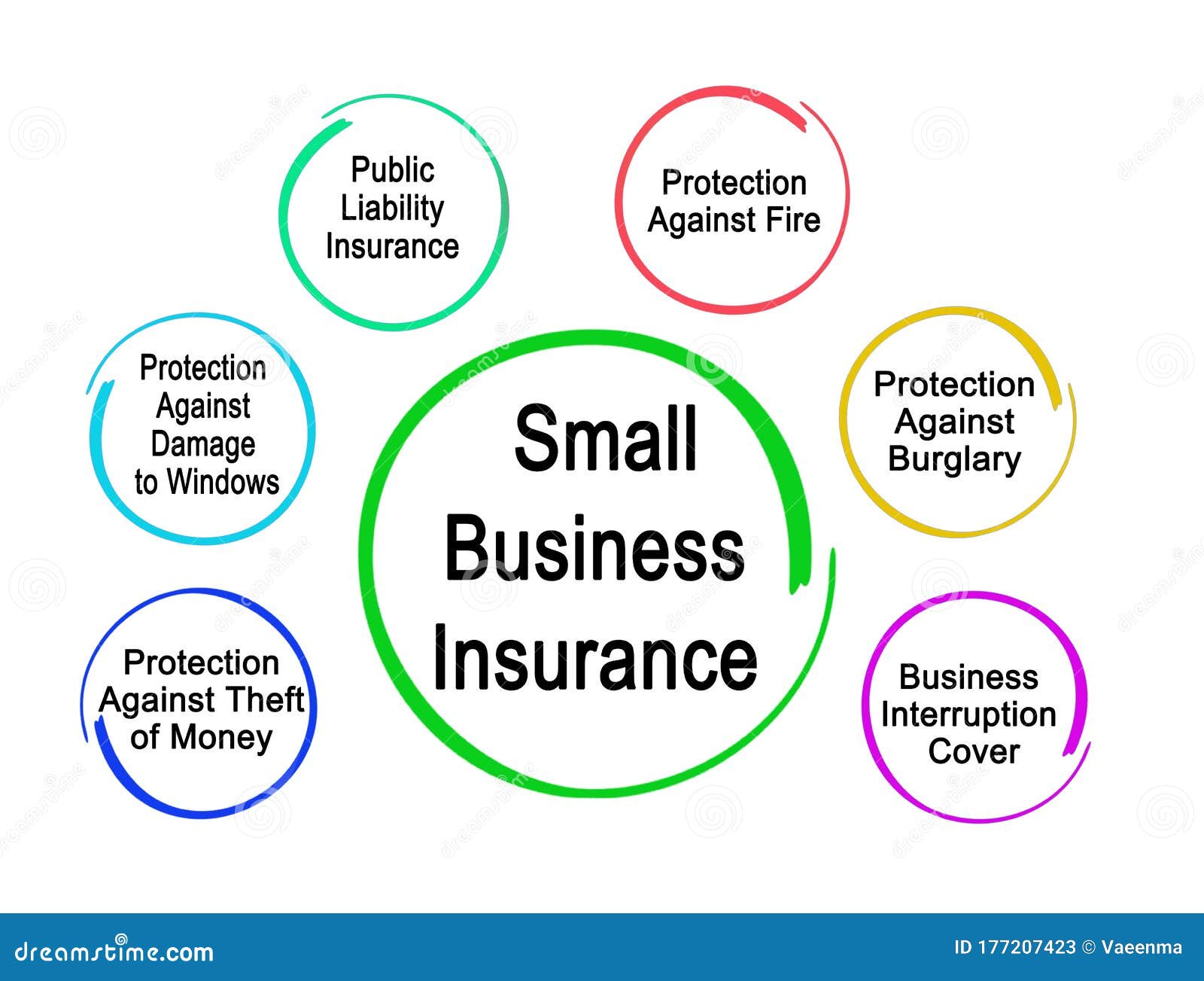
Picking the right insurance for your business can feel like walking through a minefield. But it doesn’t have to be!
In this guide, I’ll walk you through the exact steps to ensure you’re covered from all angles. Because the truth is, having the wrong insurance is almost as bad as having none at all.
Steps to Assess Small Business Insurance Needs
The first step is to assess your business risks. What could potentially harm your business? Think fire, theft, liability, or employee injury. Once you’ve identified these, you’re halfway there.
- List all possible risks.
- Evaluate which ones could have the biggest impact.
- Consider both short-term and long-term consequences.
Pro Tip:
Talk to an insurance agent or broker who knows your industry. They can provide insights that you might not have considered.
How to Compare Insurance Quotes Effectively
With your needs assessed, it’s time to compare quotes. But don’t just look at the price. Consider the coverage, exclusions, and limits.
| Insurance Company | Coverage | Exclusions | Price |
|---|---|---|---|
| Company A | Comprehensive | Flood Damage | $2000/year |
| Company B | Basic | Theft | $1500/year |
Here is the deal: The cheapest policy is not always the best. Look for the value you’re getting for the price.
Methods for Determining the Appropriate Coverage Limits
Determining coverage limits is crucial. Underinsure, and you’re at risk. Over-insure, and you’re wasting money.
- Understand the value of your assets. This includes property, equipment, and inventory.
- Estimate potential liability claims. What’s the worst-case scenario?
- Set coverage limits that protect you without breaking the bank.
Pro Tip:
Review industry standards to see what similar businesses are doing.
Procedure for Reviewing and Updating Insurance Policies Annually
Insurance isn’t a set-it-and-forget-it thing. Your business changes, and so should your coverage.
Every year, take these steps:
- Review your current policy. What has changed in your business?
- Update your coverage to reflect any changes.
- Get new quotes to ensure you’re not overpaying.
- Consult with your agent to fill any gaps.
Remember, your business is dynamic, and your insurance should be too. Stay proactive, and you’ll stay protected.
Cost Factors of Small Business Insurance
Did you know your small business insurance premium could be higher just because of where you’re located? It’s true! There are numerous factors that can impact the cost of your policy.
Understanding these cost factors can help you make informed decisions. Let’s delve into the key elements that affect what you pay, and discover strategies to manage those costs effectively.
Key Factors Influencing Insurance Costs
Your premium isn’t just a random number. Here’s how it breaks down:
| Factor | Description | Impact Level |
|---|---|---|
| Business Size | Larger businesses tend to have higher premiums due to increased risk exposure. | High |
| Location | Your business’s geographical area can affect policy costs significantly. | Moderate to High |
| Industry Type | High-risk industries like construction or food services often face steeper premiums. | High |
| Claims History | A history of frequent claims can lead to increased premiums. | Moderate |
| Coverage Amount | More comprehensive coverage naturally costs more. | High |
Impact of Business Size and Location on Premiums
Business size and location are two critical factors. But here’s the deal: even if you’re in a high-cost location, there are ways to mitigate those expenses.
Location matters more than you think. Being in a region prone to natural disasters or high crime rates usually spikes your insurance costs. Similarly, a larger business with more employees and assets requires more extensive coverage, leading to higher premiums.
Strategies to Reduce Insurance Costs
You don’t have to break the bank to secure your business. Here are some strategies:
- Bundle policies to get better rates.
- Invest in security systems to lower property insurance costs.
- Opt for a higher deductible to reduce premium costs.
- Regularly review and update your coverage to avoid over-insurance.
Pro Tip: Regularly auditing your business’s insurance needs can uncover areas where you’re over-insured or under-insured, saving you money in the long run.
Legal Requirements for Small Business Insurance
Did you know that in some regions, not having the right insurance can land your business in serious legal trouble? Small businesses can’t afford to overlook insurance regulations.
Here’s the deal: Your legal obligations for business insurance can vary wildly depending on where you operate and the industry you’re in. For instance, a restaurant in New York might need different coverage than a tech startup in California.
Regional Insurance Obligations
Insurance laws can be a maze to navigate. Every region has its own set of rules. In the U.S., most states require workers’ compensation insurance if you have employees. BUT, if you’re in Texas, it’s optional! Across the pond in the UK, public liability insurance is often crucial for businesses that interact with the public.
Pro Tip: Always check with local government websites for the most up-to-date information on insurance requirements. It’s a simple step that can save you a heap of trouble down the road.
Industry-Specific Insurance Mandates
Some industries are tightly regulated when it comes to insurance. For example, if you run a construction business, you usually need general liability and builder’s risk insurance. In the healthcare industry, malpractice insurance can be non-negotiable. Even your local coffee shop might need specialized coverage if they host events.
Ensuring Compliance with Insurance Regulations
Compliance isn’t just about having insurance; it’s about having the right insurance. Step #1: Audit your current coverage. Make sure it matches both your regional and industry-specific requirements. Step #2: Consult with an insurance advisor who specializes in your business area. They can offer insights you might miss otherwise.
- Check local government resources for regulatory updates.
- Regularly review insurance policies to ensure they’re up-to-date.
- Document all insurance details and keep them readily accessible.
Comparing Insurance Requirements for Various Business Types
Understanding the insurance landscape starts with comparing requirements. Here’s a quick look:
| Business Type | Common Insurance Requirements | Optional Coverages |
|---|---|---|
| Retail | General Liability, Product Liability | Business Interruption |
| Construction | General Liability, Workers’ Compensation | Tools and Equipment Insurance |
| Technology | Professional Liability, Cyber Liability | Intellectual Property Insurance |
| Healthcare | Malpractice Insurance | Business Owner’s Policy (BOP) |
Insurance Claims Process for Small Businesses
Did you know that nearly 40% of small businesses will file an insurance claim in the next decade? Filing a claim can feel like an uphill battle, but it doesn’t have to be.
Understanding the step-by-step process can help you avoid unnecessary headaches and get your claims approved faster. Here’s exactly how to do it.
Step-by-Step Guide to Filing an Insurance Claim
First things first, when an incident occurs, report it to your insurer as soon as possible. Delays can lead to complications. You’ll need to provide detailed documentation of the event, including photos and witness statements. This is where being organized pays off.
Next, fill out the claim form provided by your insurer. Be meticulous here—any missing information can slow down the process. Once submitted, your insurer will assign a claims adjuster who will assess the damage and determine the payout.
Finally, stay in contact with your insurer to track the progress of your claim. Pro Tip: Keep a log of all communications with your insurer.
Managing the Claims Process Effectively
Staying organized is crucial. Keep a dedicated folder—either physical or digital—for all your claim-related documents. This will save you from last-minute scrambling.
Also, make sure to follow up regularly. Insurers have many claims to handle, and yours could fall through the cracks without persistent follow-ups.
“The fortune is in the follow-up.”
Being proactive can make all the difference in getting your claim settled on time.
Common Challenges and Solutions in Insurance Claims
One of the most common challenges is denial of claims. This often happens due to incomplete documentation or misunderstanding of the policy.
To avoid this, thoroughly review your policy to ensure the incident is covered. Another challenge is delays in payouts. Regular communication with your insurer can help mitigate this.
If your claim is denied, don’t accept it at face value. Request a detailed explanation and, if necessary, hire a public adjuster to help you negotiate.
Lifecycle of an Insurance Claim: From Incident to Resolution
The lifecycle of an insurance claim typically begins with the incident report and ends with the claim resolution.
- Incident Occurs
- Immediate Documentation
- Report to Insurer
- Submit Claim Form
- Evaluation by Claims Adjuster
- Approval and Payout
- Claim Closure
Understanding this lifecycle helps you know what to expect and manage each stage effectively.
Last Word
Insurance for your small business isn’t just a safety net—it’s a springboard that lets you focus on what you do best: growing your business. By understanding the different types of insurance and choosing the right coverage, you’re setting up your business for long-term success. So, gear up and make sure your business is ready for anything that comes its way!
Q&A
What are the main types of insurance small businesses should consider?
Small businesses should consider general liability insurance, property insurance, and workers’ compensation insurance as the foundational coverage types.
Why is general liability insurance important for small businesses?
General liability insurance protects against claims of bodily injury, property damage, and advertising injuries, crucial for safeguarding your business from lawsuits.
How can I determine the right coverage limits for my business insurance?
Assess your business risks, consult with insurance professionals, and review your financial exposure to determine appropriate coverage limits.
How often should I review my small business insurance policies?
It’s advisable to review your insurance policies annually or whenever significant changes occur in your business operations.
What factors influence the cost of small business insurance?
Factors include business size, location, industry, claims history, and the specific types of coverage chosen.
